400.jpg
 
Plant genetic resources are considered as the most valuable natural wealth for each country. Iran is known as one of the mega centers of plant genetic resources diversity worldwide. The National Plant GeneBank of Iran (NPGBI) holds a high rank among world gene collections due to its diverse conserved accessions from various crops and their wild relative species.
 
401.jpg
 
Conservation and utilization of plant genetic resources preserved in plant gene banks provides food security through the development of useful materials for crop breeding programs.
The history of collection and conservation of plant genetic resources in Iran covers more than 50 years. These activities began and accelerated after the establishment of the Genetics and Plant Genetic Resources Research Department and the National Plant Gene Bank (NPGBI) of Iran in 1983.
Collection, identification, conservation, regeneration, evaluation, and utilization of plant genetic resources, as well as documentation of information and exchanging of genetic materials (crops and their wild relatives) are among the major responsibilities of the NPGBI.
 
402.jpg
 
Currently, more than 74,000 accessions of crops and their wild relatives are conserved in the NPGBI under two different temperature conditions i. e. -18oC (base collection) and 4oC (active collection). They are mostly indigenous accessions (%95), nevertheless, few exogenous accessions (%5) are also conserved. Moreover, more than 6,000 accessions of fruit tree species have been collected and conserved under field genebank conditions. The NPGBI carries out its research activities with collaboration of more than thirty faculty members and research staff at the headquarter as well as provincial agricultural and natural resource research and education centers across the country. In addition, this department collaborates with researchers from other national and international institutions and universities.


The main objectives of the department are as followings:

1-Collection, identification, and conservation of plant genetic resources
of field and horticultural crops, and their wild relatives.

2-Conducting researches on plant genetic resources and pre-breeding
programs to explore/utilize genetic diversity and useful genes for crop
breeding programs and enhancing agricultural production to achieve
national food security.

3-Development, preparation, increasing, and distributing healthy plant
genetic resources for research purposes at the national and international
levels.

4-Conducting awareness programs on importance and utilization of
plant genetic resources for officials, volunteers, and students at schools,
universities, etc.


  • Collection Units

•Wheat.

•Other cereals including barley, rice, rye, and oat.

•Crop wild relatives.

•Food legume crops.

•Industrial crops.

•Forage Crops.

•Vegetables and fruit trees.

•Medicinal and other plants species.

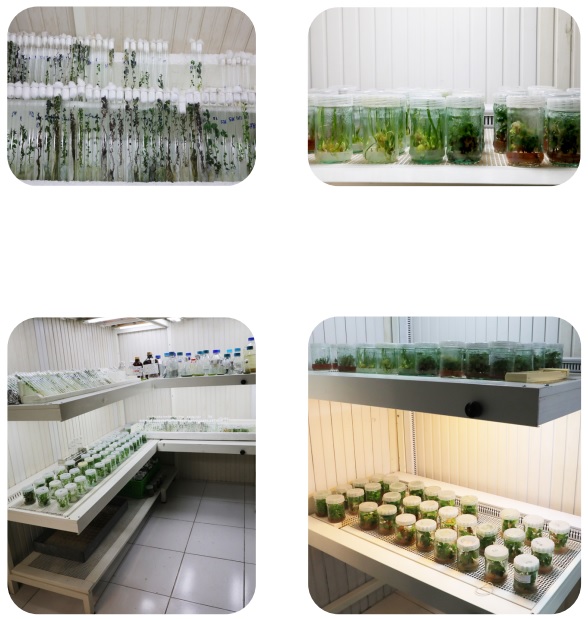
•Tissue culture and in vitro culture of plant species.


  • Research Units

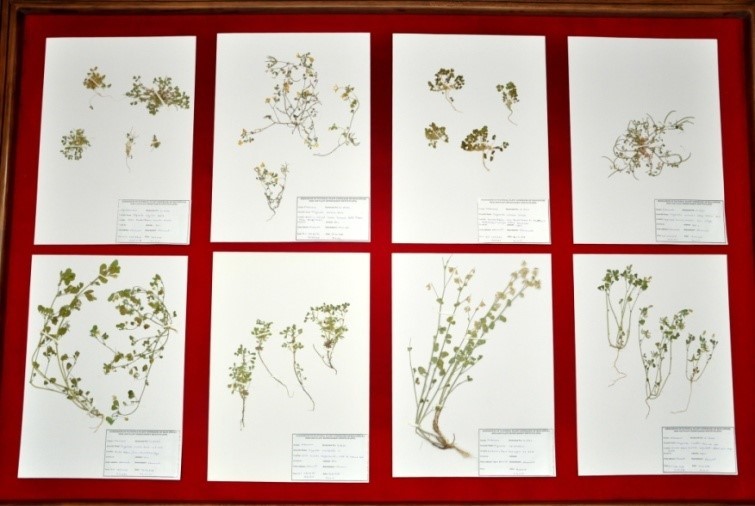
•Botany and herbarium.

•Database, documentation, and data analysis.

•Genetics.

•General and advanced crop characterization.

•Cytogenetic.

•Monitoring and assessment of Seed viability, germinability, and dormancy.

•National and international legal/law affairs.

•Pre-breeding.

•Quarantine and seed health.

•Seed processing.

•Mechanization and field practices.

•NPGBI museum.


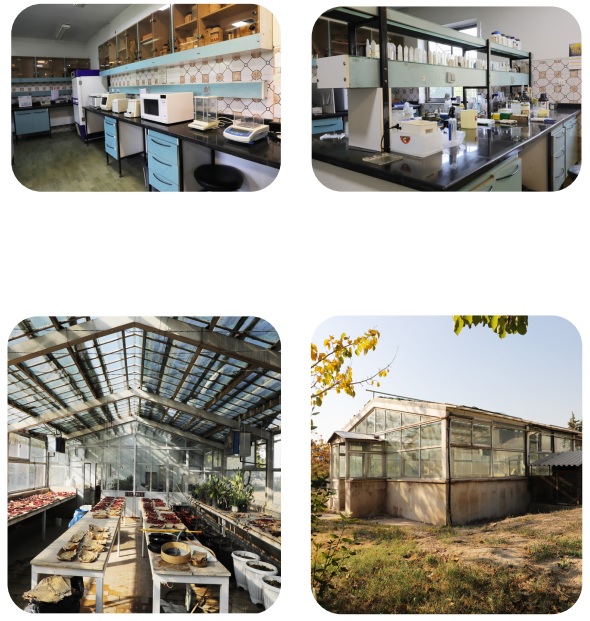
  • Laboratories

•Botany and Herbarium.

•Cytogenetics.

•Molecular genetics and biotechnology.

•Phytochemistry.

•Quarantine and germplasm health.

•Tissue culture.


  • Indoor and Outdoor Facilities

•Assessment of seed viability chamber.

•Cold rooms.

•Growth chambers.

•Storage rooms.

•In vitro conservation room.

•Research/experimental field.

•Plastic house and greenhouse.
403.jpg

404.jpg

6.1.8.0
گروه دورانV6.1.8.0